
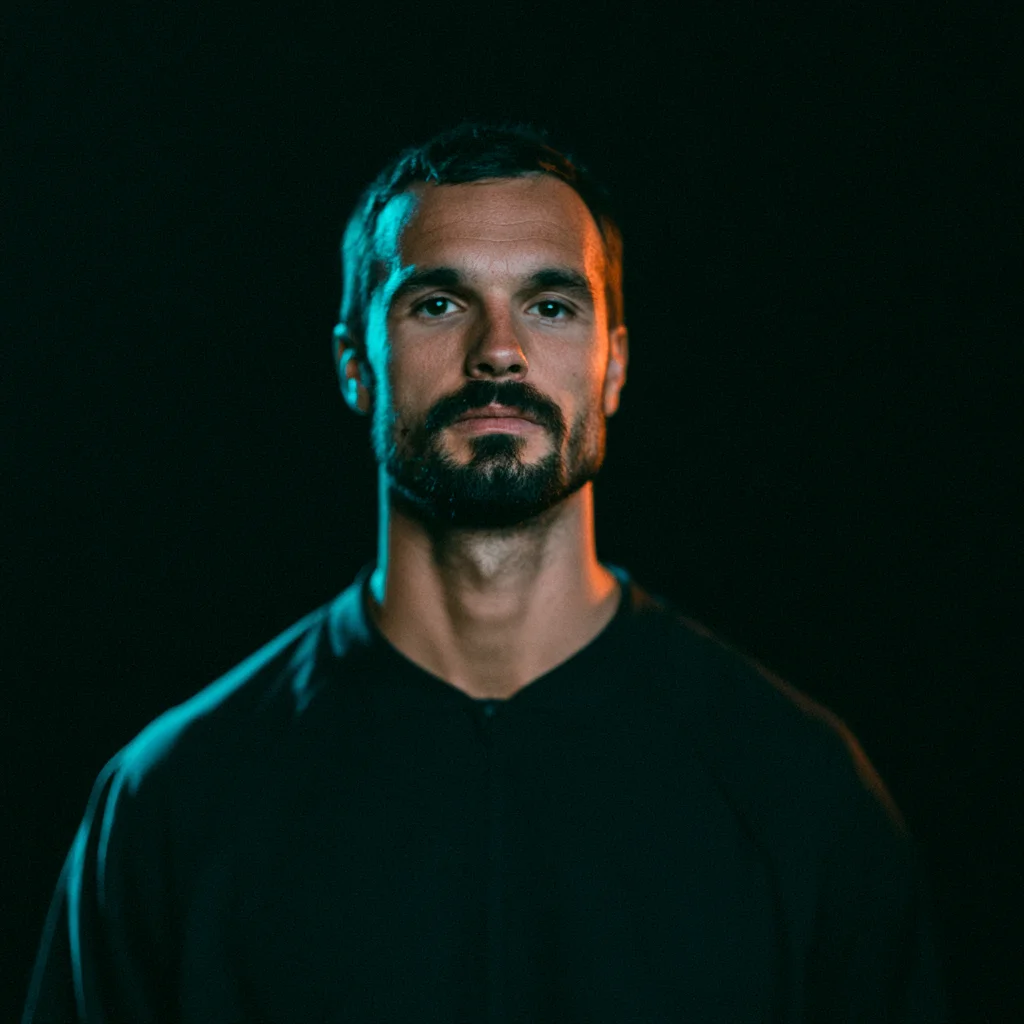
Italian Foreign Minister Antonio Tajani confirmed on November 7, 2026, that pro-Russian hackers had been publishing his personal data on the dark web and seeking additional information about his family. PM Giorgia Meloni attributed the attack to pro-Russian actors. Tajani linked the targeting directly to Italy’s public support for Ukraine. The incident forms part of a broader wave of Russian hybrid operations across Europe in November 2026, including bomb hoaxes, infrastructure attacks, and hacked nuclear warning alerts.
Why Italy’s Foreign Minister Was Targeted
Tajani was direct about the motivation. “Italy’s position on Ukraine is the political reason I have been targeted,” he wrote. “Defending the freedom of a sovereign state, taking a clear stand in support of a nation’s democracy and independence, is dangerous in the eyes of these criminal entities.”
Italy has remained one of the more vocal Western backers of Ukraine throughout the conflict, despite occasional internal political pressure to shift position. For pro-Russian hacktivist groups that have made targeting European governments supporting Kyiv a core part of their operations, senior Italian officials represent a natural target.
Tajani also noted that the attack may be partly retaliatory , not just for Italy’s Ukraine stance, but for the government’s efforts to strengthen the Foreign Ministry’s own digital defences. Hardening a government system against Russian cyber operations, in this environment, appears to invite a response.
This isn’t the first time European officials supporting Ukraine have been targeted with personal data exposure. The same tactic of publishing a government official’s private information on dark web forums, then actively soliciting additional details, has been documented as a pressure and intimidation strategy in pro-Russian cyber operations across the continent throughout 2026.
What “Doxxing” a Government Minister Actually Means
The term “doxxing” — publishing a private individual’s personal information without consent , takes on a different weight when the target is a serving foreign minister with international security responsibilities.
For a private person, a leaked home address creates a risk of physical intimidation or harassment. For the second-highest official in a NATO member government, the same information could inform operational targeting. That’s why Tajani used the word “threats” alongside “intimidation” and why PM Meloni framed the response as requiring “utmost determination.”
Tajani did not specify what type of information had been posted. Based on his language about ongoing threats to himself and his family, the likely contents include home address, personal phone numbers, and family members’ identifying details. The active offer to “pay for more details” on dark web forums suggests that some baseline package of information is already circulating and that whoever posted it is trying to enrich the dataset further, a pattern documented in other politically motivated dark web targeting.
The same dynamic — data already in criminal hands being supplemented through active solicitation — appeared in the SilentRansomGroup’s campaign against law firms earlier this year, where the value of stolen professional data was specifically about what it enabled rather than its direct content.
Part of a Wider Hybrid Warfare Wave
The timing of the Tajani leak is not coincidental. November 2026 has seen a marked escalation in Russian hybrid operations across Europe.
Earlier this month, emergency alert systems in several cities broadcast false nuclear radiation warnings , later confirmed as the result of a hack. A wave of hoax bomb threats forced flight diversions at multiple European airports in the same week. Reports emerged of coordinated attacks on supermarket refrigeration systems in at least three EU member states, mirroring the kind of low-level infrastructure disruption that security researchers have linked to Russia-linked threat actors throughout 2025 and 2026.
Each of these operations on its own reads as a nuisance. Together, they form a coordinated pattern designed to demonstrate reach, test responses, and generate a persistent background of insecurity within countries that are actively supporting Ukraine. Publishing a foreign minister’s personal data on a dark web forum fits that pattern precisely , it’s not just about the data, it’s about demonstrating that no level of official is out of reach.
This is consistent with what cybersecurity researchers have observed about the operational priorities of groups like Killnet and its offshoots, including NoName057(16), which have been particularly active against Italian targets. These groups operate in a grey zone between cybercriminal markets and state-tolerated information warfare, using the same dark web infrastructure that criminal enterprises use for data trading , but with political rather than financial motivations driving their targeting decisions.
Italy’s Response and What Comes Next
Tajani confirmed that the Italian Ministry of Foreign Affairs is coordinating its response with allied countries. That language suggests the incident has been escalated through NATO’s cybersecurity channels, where information about state-linked operations against member government officials is shared between intelligence services.
Meloni’s public attribution to “pro-Russian hackers” is itself politically significant. European governments have historically been cautious about public attribution of cyber operations to Russian actors, preferring to work through diplomatic and intelligence channels. Making the attribution explicit in a public statement signals both confidence in the intelligence assessment and a decision to absorb the political cost of naming Russia directly.
For the individuals involved , Tajani and his family , the practical situation is one we’ve seen produce lasting disruption in other cases. The Arizona court cyberattack this year showed how the exposure of a person’s home address and personal details creates a threat that doesn’t end when the original post is removed. Data that has been published on dark web forums spreads to other channels, is downloaded by multiple actors, and remains in circulation long after the original listing disappears.
As we’ve covered in our guide on whether personal data can be removed from the dark web, the realistic answer for anyone whose information is already circulating is not removal but mitigation , changing addresses, phone numbers, and security arrangements where possible.
Tajani is right not to be intimidated publicly. That’s the politically and personally correct response. But the security arrangements around him and his family will need to reflect the ongoing nature of the threat , not just the initial post, but the actively developing intelligence picture being assembled by whoever is behind it.
The Broader Pattern of Official Targeting
European officials who have taken public positions supporting Ukraine have been increasingly targeted with personal data exposure over the past 18 months. The goal is not necessarily to use the data to cause direct harm , it’s to create a chilling effect that makes other officials more cautious about speaking or acting against Russian interests.
A foreign minister who publicly declares he won’t be intimidated is, paradoxically, also demonstrating that the tactic has forced him to respond. The intimidation campaign becomes a news story, the news story extends the pressure, and the ongoing nature of the dark web threat means the story doesn’t end with a single press statement.
Italy is coordinating with allies, the ministry is on alert, and law enforcement is involved. The investigation is active. Whether it leads to identification of the individuals behind the operation depends heavily on whether they made the kind of operational security mistakes that have brought down other pro-Russian cyber actors in 2026.
Frequently Asked Questions
Whose data was leaked?
Italian Foreign Minister and Deputy Prime Minister Antonio Tajani. His family members were also being targeted.
Who is behind the attack?
Prime Minister Giorgia Meloni directly attributed the attack to pro-Russian hackers. No specific group has been publicly named.
Why was Tajani targeted?
Tajani stated Italy’s public support for Ukraine as the political reason. He also suggested it may be partly retaliatory for Italy strengthening the Foreign Ministry’s digital defences.
What data was published?
Tajani did not specify. Based on his description of threats and intimidation, the data likely includes personal contact details and home address. Attackers were actively paying for additional information about him and his family.
Is Italy responding?
Yes. Tajani confirmed the Ministry of Foreign Affairs is coordinating its response with allied countries. The incident has been escalated through national security channels.
Is this an isolated incident?
No. It is part of a broader wave of pro-Russian hybrid operations across Europe in November 2026, including bomb hoaxes, infrastructure attacks, and hacked emergency alert systems.