If you just got an alert saying your Social Security number showed up on the dark web, take a breath first. This happens to a lot of people; it’s rarely something you did wrong, and there’s a clear, short list of things to do. Panic doesn’t help here. A calm, ordered response does.
There’s a real chance your SSN is already out there, simply because so many companies have been breached over the years. That doesn’t mean fraud is guaranteed. It means it’s worth taking a few concrete, well-known steps, starting with a credit freeze, rather than worrying without acting.
Here’s how common this actually is, how it happens, what it really means for you, and exactly what to do next.
How Common Is It For Your Social Security Number to Be on The Dark Web?
More common than most people assume. Security researchers who’ve analyzed dark web breach data have gone as far as saying every Social Security number in the US has likely been exposed at least once, somewhere, through one breach or another. Is it common to have your Social Security number on the dark web, then? Genuinely, yes, this isn’t a rare, unlucky event. It’s closer to the current baseline.
That framing matters, because it changes the right response. This isn’t a sign that you specifically did something careless. It reflects how many companies have been breached over the last two decades, and how long stolen data tends to stick around once it’s out.
How Did My SSN Get On The Dark Web?
In almost every case, it’s not something you did. The most common paths:
- A company data breach. A retailer, hospital, insurer, employer, or government agency gets hacked, and your records are part of what’s stolen. This is by far the most common cause.
- Phishing. A convincing fake email or text tricks someone into typing in personal details directly.
- Infostealer malware. Malicious software quietly collects saved passwords and personal data from an infected device and sends it back to whoever’s running it.
- Old paperwork or mail theft. Less common now, but still happens: a stolen document with your SSN printed on it.
Most people never find out which specific breach was the source, and honestly, it usually doesn’t change what you should do next.
What Does It Mean If Your Social Security Number is On The Dark Web?
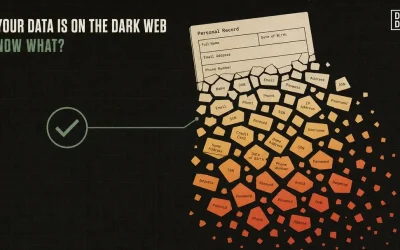
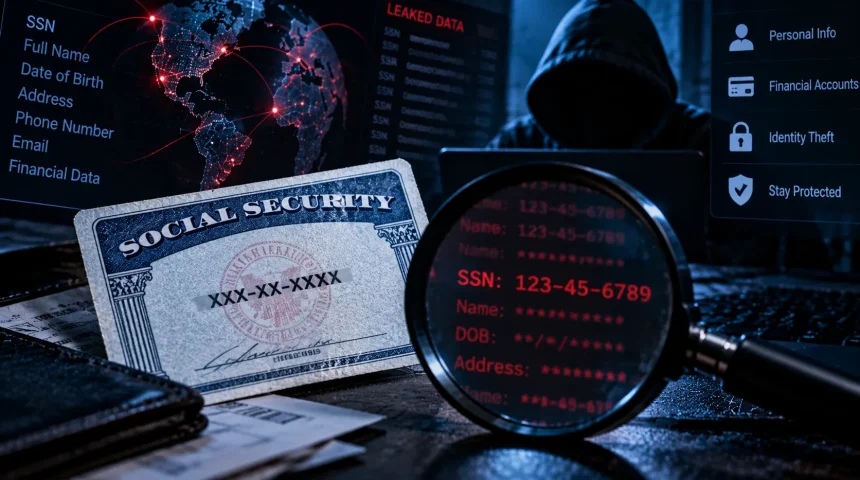
It means your SSN, sometimes bundled with your name, date of birth, and address into what’s called a “fullz” package on dark web forums, is available for other criminals to buy and use. These bundles are sold cheaply, often for just a few dollars, because they’re traded in bulk, not because any individual person’s identity is worth little.
That doesn’t automatically mean someone is actively using your information right now. A lot of exposed data sits unused for months or years before anyone tries anything with it. Practically, it means your risk went up, and it’s worth acting on it.
What Happens if Your Social Security Number Is On The Dark Web?
The realistic risks, roughly in order of how often they actually happen:
- New account fraud: Someone applies for a credit card, personal loan, or utility account using your SSN and basic details. This is the most common outcome and can happen within days of exposure.
- Tax fraud: A fake tax return gets filed in your name to steal the refund, which is why SSN-related fraud reports spike every year around tax season.
- Benefits or medical fraud: Someone uses your SSN to access government benefits or medical services.
- Employment fraud: Your SSN gets used on someone else’s job application or work paperwork.
- Synthetic identity fraud: Your real SSN gets combined with a different, made-up name and identity details to create a new, hybrid fake identity. This one’s worth knowing about specifically, because of what we cover next.
SSN Found on Dark Web With Wrong Name Attached – What Does That Mean?
This confuses a lot of people, and it’s fair to be confused. There are two realistic explanations, and neither one means the alert is fake:
- Synthetic identity fraud. Criminals sometimes pair a real, working SSN with a fabricated name and birth date to build a new identity that passes basic verification checks. Your real SSN does the heavy lifting, even though the name attached to it isn’t yours.
- A mismatch in the monitoring data itself. Breached databases are messy. Records get mixed up, mistyped, or merged incorrectly by the people trading them, and monitoring tools sometimes surface those imperfect matches as-is.
Either way, treat it seriously. If it’s genuinely your SSN attached to someone else’s name, report it, since it can be an early sign someone is actively building a synthetic identity around your number.
How Do You Know If Your Number Is On The Dark Web?
You generally won’t find out by searching the dark web yourself. We don’t recommend that, and it’s not how most people discover exposure anyway. Real-world warning signs tend to show up first through:
- A breach notification letter from a company you have an account with
- A dark web monitoring alert from your bank, credit card company, or a dedicated identity protection service
- An unfamiliar hard inquiry on your credit report
- A notice from the IRS about a tax return you didn’t file
- A collections call for an account you never opened
A dark web monitoring tool, many credit monitoring and identity protection services include one, checks known breach data and dark web listings against your information and alerts you automatically. That’s a much safer, more reliable approach than trying to search yourself.
What To Do Right Now
In order of priority:
- Freeze your credit with all three bureaus: Experian, Equifax, and TransUnion. It’s free, and it stops new accounts from being opened in your name. You’ll need to temporarily lift it if you ever apply for new credit yourself.
- Set up a fraud alert as an added layer, which asks lenders to verify your identity more carefully before approving anything.
- Create your own “my Social Security” account at ssa.gov before someone else does it for you. This alone blocks a common form of benefits fraud.
- Consider Social Security’s Self Lock feature through E-Verify, which prevents your SSN from being used for unauthorized employment verification.
- Check your credit reports at annualcreditreport.com for accounts you don’t recognize.
- Watch your bank and card statements for unfamiliar charges over the next several months, not just this week.
- If you find actual misuse, report it at IdentityTheft.gov, which walks you through the recovery process step by step.
Can I Remove My Personal Info From The Dark Web?
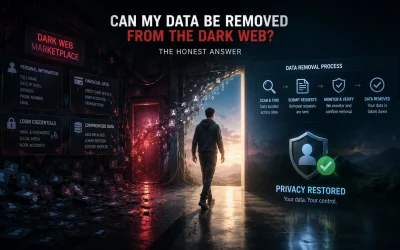
Not your exact SSN listing, no. Once specific stolen data has been copied and resold across dark web forums, there’s no mechanism to delete it from every place it’s landed. Every honest source on this topic agrees, and it’s worth knowing upfront so you’re not chasing an impossible fix.
What you can do is reduce your broader exposure going forward. Data removal services can get your personal information taken down from public-facing data broker and people-search sites, making it harder for someone to combine your leaked SSN with other details like your current address. It won’t undo the original breach, but it shrinks what’s easy to find and connect to you next time.
Frequently Asked Questions
How do I know if my details are on the dark web?
Most people find out through a breach notice, a monitoring alert from their bank or an identity protection service, or a warning sign like an unfamiliar credit inquiry, not by searching the dark web directly, which isn’t something we’d recommend trying yourself.
How do you know if your number is on the dark web?
The same way: a dark web monitoring alert, a data breach notification naming your SSN specifically, or signs of active misuse like a fraudulent account or a rejected tax return. A dedicated monitoring tool is the safest way to check.
Can I remove my personal info from the dark web?
You can’t remove the exact stolen record once it’s out; no service can delete a specific listing from every dark web forum it’s been copied to. You can reduce your broader footprint with a data removal service and limit the damage with a credit freeze and ongoing monitoring.
The Bottom Line
Finding out your SSN is on the dark web feels like a five-alarm emergency, but the honest, calm version is this: it’s extremely common, it’s very rarely something you caused, and the response is the same handful of well-established steps no matter how you found out.
Freeze your credit, lock down your Social Security account, and watch for the warning signs. Most exposures never turn into actual fraud. The goal isn’t to eliminate risk, since that’s not fully possible once data’s been breached. It’s to make sure you’re not the easy target when someone tries.