
Coinbase is one of the biggest and reliable websites for purchasing, selling, transmitting and storing digital assets. It is mostly used by investors and traders because of its transparency and highly effective security commitment. Aside from this, it is easy to use and supports a wide range of crypto coins including the most popular ones: Bitcoin, Ethereum, among others.
Despite the fact that the platform is transparent and has high security measures, it is still being used by criminals to carry out and execute cybercriminal activities. The popular one is the Coinbase text scam, where they disguise as the real Coinbase, and send fake alerts and messages to users. Their intent is clear: to trick users into clicking on a malicious link, thereby logging in to their account in real time and stealing their crypto assets.
This fraudulent tactic has become so common in the crypto world that even both new and existing users are falling victim. To address this, we have provided an in-depth guide on the Coinbase phishing scam. At the end of this article, you will know what this Text Scam is all about, how it operates, and what to do in case you have fallen victim to it, as well as how to safeguard yourself. Let’s not waste much time and get started!
What is Coinbase?
Coinbase is known as one of the biggest and most renowned crypto platforms where users and traders can readily buy and sell different types of cryptocurrencies such as Bitcoin, Ethereum and others. Although the exchange platform doesn’t support all cryptocurrencies, it supports more than 275 digital assets and over 340 different trading pairs (figures as of August 2026 — Coinbase adds and delists assets regularly).
Coinbase was co-founded in 2012 by Brian Armstrong, a former Airbnb software engineer, and Fred Ehrsam. It is referred to as a law-abiding and conservative cryptocurrency exchange because it always fulfills international compliance requirements and implements advanced security measures to safeguard the assets of users.
Coinbase is accessible in over 100 countries and employs several thousand people. It appeals to a wide range of users, including novice and experienced traders, thanks to its easy-to-use interface. This is with the aim of ensuring that Bitcoin remains affordable to an everyday individual, rather than only to tech-savvy or financially knowledgeable individuals.
What is the Coinbase Text Scam? Overview
The Coinbase text scam, also known as Coinbase phishing or smishing, is a fraudulent tactic that scammers use, instead of emailing, to trick Coinbase users into revealing sensitive details by clicking on a malicious link that will lead to a fake website.
Coinbase phishing scam: It is a scam that sends its users security alert messages or SMS messages which appears to be an official Coinbase alert. It seems to be an emergency situation and it is actual with such messages as Coinbase Alert: Unusual login attempt detected, Coinbase Security: Your account has been temporarily locked, etc.
This urgency deceives a lot of users to open the harmful link. When you click the link, you are directed to a spoofed webpage which resembles the actual Coinbase webpage used to log in. After inputting their information (login and password) and the Two-Factor Authentication code into the counterfeit site, the criminals redirect and instantly steal the information to log into your real account and transfer money.
Why these texts are so convincing now
There is a specific reason Coinbase smishing got harder to spot after 2025. In May of that year, Coinbase disclosed that criminals had bribed overseas customer support contractors to steal customer records from its internal support tools. The breach affected 69,461 people, and the stolen data included names, addresses, phone numbers, email addresses, masked Social Security numbers, bank account identifiers and images of government ID.
No passwords, private keys or funds were taken. That was never the point. The point was to make the follow-up scam credible — because a text that already knows your name, your city and the last four digits of your SSN does not read like a mass-blast phishing message. Coinbase refused the $20 million ransom, offered a $20 million bounty instead, and estimated the total cost at up to $400 million. A former contractor was arrested in Hyderabad in December 2025.
Which is why the old advice about spotting scams by their sloppiness no longer holds. Some of the people sending these messages are working from real Coinbase customer records. If you want to know whether your own details are circulating, that is what dark web monitoring is for.
How Can You Identify a Coinbase Text Scam?
One of the complications many users face is the inability to identify fake Coinbase alerts from the real ones, hence falling victim to Coinbase phishing. Moreover, with the surge in fraudulent activities, all users need to be on high alert, especially following Operation Atlantic in March 2026, in which the US Secret Service, the UK’s National Crime Agency and Canadian authorities identified more than 20,000 wallet addresses linked to fraud victims across over 30 countries, seized 120 scam domains and froze $12 million for return to victims. Coinbase was one of the private-sector partners on it. Here are some of the effective ways to spot a Coinbase text scam.
- Random Messages: Firstly, most of these scammers don’t know if you are a user or not; they go out sending messages at random, regardless. So, if you are not a Coinbase user, that’s already a red flag. Steer Clear!
- Random Numbers: The real Coinbase text doesn’t come from random phone numbers like +63, +1 (833), etc. Ensure the message you received is from the Real Coinbase. If you are unsure, you can always log in to your account to make inquiries.
- Grammar and formatting issues: Clumsy spelling, odd punctuation and awkward phrasing still show up, and they still mean smishing. But treat this as a one-way test. Bad grammar proves a message is fake; good grammar proves nothing at all. Criminal AI tooling removed the language tells years ago, and a flawlessly written message deserves exactly as much suspicion as a broken one.
- Mismatched URLs:
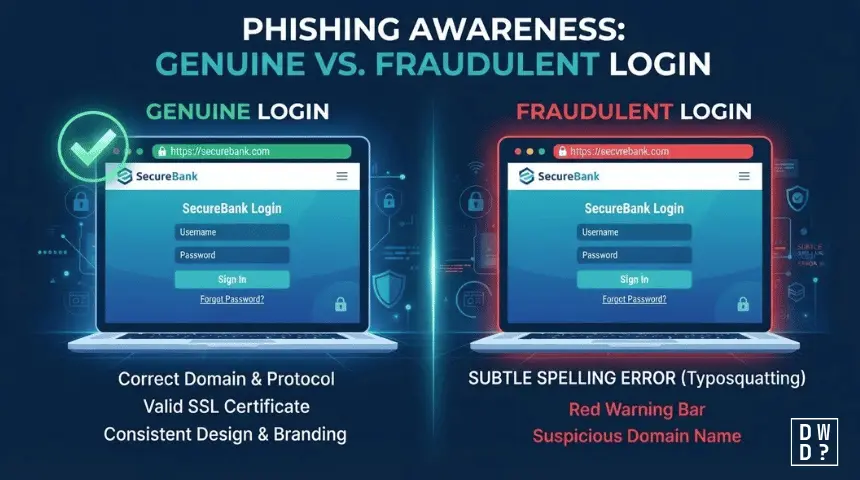
c0inbase.com. Check again, did you notice the error? Scammers use look-alike domains to trick users into believing the message is legit. It’s very important to check the domain before clicking. The rule to remember is that the part immediately before the first single slash must end in coinbase.com — sohelp.coinbase.comandaccounts.coinbase.comare genuine, whilecoinbase.net,coinbase.org,coinbase-support.comandcoinbase.com.verify-login.netare not. That last pattern catches people constantly, because the real domain is sitting right there in the middle of a fake one. - Urgent or threatening language: Coinbase phishing texts are created with a sense of false urgency, warning users of a non-existent issue that requires immediate fix. This is a fraudulent tactic, because legitimate security alerts are well-detailed and informative, and they don’t use phrases like “Unauthorized withdrawal of $10,000,” or “Scam Alert: verify your account now.” All these are fraudulent tactics to trick you into clicking the malicious link attached.
In fact, the official website cautioned that they do not send out texts to verify transactions. This implies that if you receive a text message reporting that you’ve received cryptocurrency, provided you didn’t authorize it, it is likely a phishing attempt, and you should avoid clicking on it.
- Requesting Sensitive Information: This is another fraudulent tactic scammers use: requesting sensitive information. It’s very important you know that Coinbase will never ask for this kind of information, because if they truly need it, they already hold it. The reality is that if you receive such text messages, it’s never from Coinbase; rather, a scammer trying to log into your account.
What To Do When You Receive a Coinbase Phishing Text?
If you receive any suspicious text, all you have to do is NOTHING: Don’t click on the link; Don’t call the phone number; and do not respond to the message. If you are still concerned, you can delete it and contact Coinbase support directly using their official channels to see if there’s an actual issue. Just manually type www.coinbase.com in your browser and log in to check your activity and security settings.
Further protect your Coinbase account by changing your password: Always create strong, one-of-a-kind passwords that match the platform’s specifications (you can use legitimate Password Manager tools). If you haven’t activated Coinbase’s two-factor authentication, do that as soon as possible — and see the note below on which type to choose. Also, use Coinbase’s account security settings to confirm your authenticated devices and log out of any unfamiliar sessions.
How to Report Phishing Text to Coinbase?
To take additional preventive actions, you have to report phishing texts as soon as possible. This approach will help Coinbase shut down scammers’ operations and prevent others from being victims of the Coinbase text scam. To report, follow the process below:
- Get a snapshot of the message with the phone number of the sender in it.
- Forward the capture to the support team through either https://help.coinbase.com/ or email at security@coinbase.com.
- After forwarding the evidence, the security team will work towards shutting down the operation to avoid future casualties.
Alternatively, the mobile app also lets you report straight to the security team if you are already logged in. Forward the message to 7726 as well — that is the free spam-reporting shortcode most carriers use.
If you actually lost funds, report it to law enforcement too, not just to Coinbase. In the US that is the FBI’s IC3 and the FTC; in the UK, Action Fraud. This is not a formality. Operation Atlantic returned $12 million to victims precisely because reports existed to match the traced wallets against — and the sooner a wallet address is flagged, the better the odds of freezing anything.
How To Protect Your Coinbase Account From Phishing Texts and Emails
There are some key approaches towards securing your account from Coinbase phishing scams. Follow the step-by-step guide below:
- Complete KYC Verification on the real site, once: Coinbase requires identity verification — name, date of birth, address, SSN and a photo — as a regulatory obligation when you open the account. Do it once, on coinbase.com, typed in yourself. After that, treat any request to “re-verify,” “confirm” or “update” your identity by text or email as fraudulent by default, because that request is the single most common shape the scam takes.
- Enable two-factor authentication — but not the SMS kind: Any 2FA beats none, but the form matters enormously here. SMS codes are the weakest option, because a stolen phone number is exactly what a SIM-swap attack takes, and phone numbers were part of what leaked in 2025. Use a passkey or a hardware security key if you can, an authenticator app if you can’t, and treat SMS as a last resort. You can change this in Coinbase’s security settings.
- Use Strong Password: It is very important to use a very strong, unique and complex password. Additionally, to protect yourself, never share your password with anyone, including employees. For generating and storing strong unique passwords, use a dedicated password manager — Norton 360 bundles one, as do most security suites.
- Email Security: During email phishing, your email is the key point of contact. We encourage all users to keep an eye out for any strange filters, forwarding addresses, or unauthorized recovery emails. Any questionable or suspicious messages should be forwarded/reported to security@coinbase.com.
- Protect your Devices From Viruses And Malware: Always be cautious when visiting unknown websites, especially dark websites, or downloading untrustworthy apps. We recommend installing antivirus software and keeping the operating system and software up to date.
- Be careful what you put in cloud storage: Coinbase Wallet offers encrypted backup of your recovery phrase to Google Drive or iCloud, which is a convenience with a trade-off — your wallet is then only as secure as that cloud account. Never store 2FA recovery codes, seed phrases or passwords in plain text anywhere in the cloud. If your cloud account is compromised, so is everything in it.
- Lock Your Account: If you notice any suspicious activity, you should lock your account as soon as possible to prevent further activity.
Is Coinbase Safe? Verdict
Absolutely! When it comes to finding the safest, most trustworthy, reliable, and secured platforms for exchanging cryptocurrencies, Coinbase is one of the best. It is an excellent platform for investing in all types of cryptocoins including Bitcoin, Ethereum, Solana, Tether, Cardano, Dash and many more.
Coinbase is a US-listed public company registered with FinCEN as a money services business, licensed by New York’s Department of Financial Services, and subject to state money-transmitter regimes. Its relationship with the SEC is worth stating precisely rather than loosely: the agency sued Coinbase in 2023 for operating as an unregistered exchange, and dropped the case in February 2025. Coinbase files with the SEC as a listed issuer, which is a disclosure obligation — not a security guarantee. The platform uses secure encryption and authentication to keep users’ accounts safe, and it is regularly updated to follow best industry practices and fix potential exploits.
While Coinbase adheres to the core security standards and practices, there are however, many scammers out there that exploit its name to give their messages legitimacy and carry out Coinbase text scam.
These phishing operations are very organized, using carefully crafted texts and cloned websites to imitate the brand’s communication style in order to convince users into revealing sensitive details like their login credentials or wallet access. Sometimes they even use automated phone call follow-ups to further convince victims. Despite this, the exchange is generally regarded as a credible choice that balances usability and security — though it’s worth keeping Coinbase the exchange and Coinbase Wallet, the self-custody app, distinct in your head. They carry different risks.
In Summary
Coinbase is one of the easy ways for traders and investors, even those who are new to cryptocurrency to get started. It has an easy-to-use interface and supports many types of cryptocurrencies including the most popular coins.
Although this exchange platform is popular for its high level of security, scammers and cybercriminals still find their way to carry out their illicit activities. Because Coinbase is reliable and trusted by many, threat actors exploit its name to bait users into clicking a malicious link.
The Coinbase text scam is a fraudulent tactic that relies on deceptive messages delivered through SMS, rather than email. Scammers use this method because people tend to trust SMS messages more and open them faster over email.
The aim is to bait users into clicking on a link, thereby exploiting sensitive and private information like login details, and gain full control over victims’ cryptocurrency assets. The ultimate goal is mostly to steal/drain digital assets and oftentimes, identity theft.
However, by recognizing the warning signs and taking the right steps, every user can protect themselves from falling victim to these crypto scams. One among many of the effective ways is being able to differentiate between fake Coinbase URLs and real ones. Other approaches include urgency in the message and the random numbers.
As a crypto handler, it’s essential to be aware of the potential risks and threats that come with Coinbase text scam, especially now that technology continues to soar. So, stay updated with trends, and stay safe.
If you’ve been a victim of Coinbase phishing scam or any other security breach, share your story with us, and let others learn. Together, we can create a safer and more secure crypto community.
Frequently Asked Questions (FAQs)
Can Coinbase refund me if I’m scammed?
As a general policy, a transaction authorised from your account won’t be reversed. But two important qualifications. First, crypto transactions are irreversible — they are not untraceable. Public blockchains are highly traceable, which is how Operation Atlantic froze $12 million and returned it to victims. Reporting quickly is what makes tracing possible at all. Second, Coinbase did commit to reimbursing customers who were tricked into sending funds using data stolen in the 2025 breach, so if you were among those affected, the blanket answer does not apply to you.
You can report to the Coinbase security team about the fraud activity to avoid future unauthorized transactions. Because the hacker still has your details, in order not to fall a victim twice we encourage you to change your login access. Log into your account and enhance your security by changing your login details and activating two-factor authentication.
Can Coinbase freeze my account if I’m scammed?
Absolutely. Coinbase can freeze your account if you get scammed. The platform will freeze your account if it detects any form of scam activity, or if you notify it of a scam using the “Lock My Account” feature. The site will immediately sign you out of all devices and disable all active transactions which include buying, selling and withdrawal. This is simply one of the fastest defence mechanisms Coinbase uses to protect your funds and prevent future scams.
To unfreeze the account after a security alert, you’ll have to undergo multiple verification processes to prove that the account actually belongs to you, and you are not a scammer. Once your identity is verified, you’ll receive a secure link to verify your email and create a new password.
What should I do if I clicked a phishing link?
If you’ve clicked on a phishing link, you must immediately change your login details across affected accounts, because scammers use these to steal credentials or install malware. Follow this up by reporting the activity to Coinbase so as to lock your account, or you can do this manually using the “Lock My Account” feature.
Can scammers steal my crypto if they have my email?
Not on its own — an email address alone won’t move funds. But it is rarely alone. An email address is the starting point for password resets, targeted phishing and credential-stuffing against reused passwords, and combined with a phone number it opens the door to SIM-swap attempts. Treat a leaked email as the first step in a chain rather than a harmless exposure.