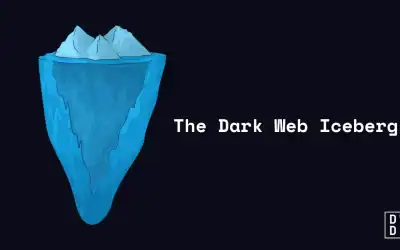

rAs we’ve explained in one of the previous articles before now, the internet, you know, is just the tip of the iceberg. Beyond surfing blogs and webpages, reading news online, streaming videos, and logging in to personal platforms, there exists an encrypted layer of the internet called the dark web.
A major aspect of the internet that searchers are most curious about is the dark web. The dark web has always sparked fear among users, despite not being indexed by traditional search engines and requiring special access. More people have grown curious about the dark contents. Among the major searches about the dark contents are the dark web videos hosted on the encrypted server.
The quest to understand dark web videos has surged as more people grow curious day by day. Bringing about the unclear question as to what they are. Are they illegal? Can they be watched? What is the risk involved, and what is the content of coverage?
If you are among those with a search interest in dark web videos explained, then this article is for you. This blog post is tailored to address and explain in detail what dark web videos are and all the necessary information needed to fully understand their contents.
Here, we will explore what dark web videos are, how they differ from deep web videos, and why we believe most of these videos are hoaxes or staged, as well as the real legal risks of even searching. We will also bust the myth surrounding dark videos, ensuring that everything is broken down to your understanding.
Before we begin, let’s understand the different layers of the internet and what the dark web comprises
Layers of the Internet. Surface, Deep & Dark Web
The surface web is the portion of the internet that search engines like Google, Bing, and Yahoo index. It is our day-to-day online activities that anyone with a browser and an internet connection can access.
The deep web is a private layer of the internet whose content cannot be indexed by search engines. It involves databases, scholarly research articles, medical records, financial accounts, and internal business networks, as well as any part of the internet that requires a login to access.
The dark web is a subset of the Deep Web. It is the anonymous and hidden part of the internet that can only be accessed with specialised browsers like TOR. It is intended to protect the user and the website operator’s anonymity.
| Layers | Access | Video Examples |
|---|---|---|
| Surface Web | Google, Bing, and any other standard browsers | YouTube, Netflix, etc |
| Deep Web | Login required | Private unlisted videos |
| Dark Web | TOR browsers | Encrypted Tor videos, anonymous vlogs on dark websites, etc |
What Are Dark Web Videos? Explained
Dark web videos are part of dark web content, basically video clips that are hosted on an encrypted, anonymous network like the TOR. They are not indexed on regular search engines, hence cannot be accessed through standard browsers like Chrome, Safari, and the like.
Dark web videos exist only on the .onion sites and, in most cases, may contain coverage of illegal activities. This is based on estimates that around 55–60% of dark web content is linked to illicit activity, including the purchase of illegal content. However, this doesn’t solidify the unavailability of legal and ethical videos within the dark web.
It is worth noting that all dark web videos are on the deep web, but not all deep web videos are on the dark web. This means dark web videos are a subset of deep web content, not the same thing. There are various kinds of .onion videos available. We’ve classified these videos into two categories: Legal & ethical, and illegal videos.
The legal and ethical videos are videos that respect and are based on the laws and human rights. Journalists and whistleblowers often use the dark web to acquire or publish videos to protect themselves and their identities, especially if it is a critical and sensitive video. On the other hand, illegal dark web videos are videos that violate criminal laws. It involves child sexual abuse coverage, pornography, animal cruelty videos and many more.
Difference Between Deep Web Videos And Dark Web Videos
The dark web videos are focused on the hidden, secret side of the internet that often involves mystery or illegal activity. On the other hand, the deep web is focused on private but safe parts of the internet that are not indexed by search engines.
The primary purpose of the dark videos is usually to expose, explain, or sometimes dramatise what happens on the dark web. While the deep videos are made to guide people on how to access research papers, medical data, or subscription content. Accessibility
Because it is found only on the dark web, it requires special browsers like Tor to access. While the deep videos can be accessed with normal browsers but often need a password or login.
Dark web videos may include hidden marketplaces, hacking tutorials, or whistleblower stories. On the other hand, the deep web usually contains academic databases, personal emails, cloud files, or online banking.
Accessing the dark web is risky and often monitored by law enforcement; hence, it is not recommended for 99% of people. While the videos on the deep web are generally safe and can be accessed by anyone.
Most Common Uses of Dark Web Videos
The dark web movies, in most cases, can be used for legal or illegal activities, depending on the individual. The use of the video coverages includes:
Illegal and criminal activity
Criminal and Illegal Content: Videos that include illicit marketplaces, firearms, or drug sales are considered criminal and illegal content.
Hacking and Cybercrime Tutorials: Videos that teach how to hack systems or steal data are known as hacking and cybercrime tutorials, because they promote dangerous behaviour.
Selling Stolen Information: Pictures or videos that promote or demonstrate the sale or sale of stolen credit card information, passwords, or private information.
Ransomware and Extortion: Content instructing users on how to encrypt victims’ files or threatening to threaten victims with cash.
Legal Applications include:
Journalism and Whistleblowing: Through tools like SecureDrop, journalists and whistleblowers are able to exchange files and communicate on the dark web in a secure manner. Anonymous, encrypted channels of this kind have enabled major leaks — such as the Panama Papers, whose source communicated only through encrypted means — to be published without the source being revealed.
Activism & Censorship Evasion: In the countries that are blocked, activists share video footage of human rights abuses and communicate safely within the darknet, as illustrated in the Arab Spring. That made it possible for the world to witness happenings that were intended to be concealed.
Research & Collaboration: Researchers and cybersecurity professionals share sensitive information on the dark web, whether it be malware samples to aid security research or genomic data to fight COVID-19.
How To Watch Dark Videos With Less Risk?
To 99% of people, viewing dark web videos is really not needed. The surface web is where everything worth learning can be found. If you have a legitimate reason (research, journalism, activism, etc.) for connecting to the web and viewing its video information, please do so with these steps:
Use VPN – This will help you to remain anonymous to your internet service provider.
Download the Tor browser: Tor is a software that will encrypt your traffic and send it through several nodes, allowing you to access the dark web.
Discover a legitimate .onion site. This is because you won’t find any dark web videos through a Google search.
Avoid suspicious links: Never click on suspicious video links or any site requesting your personal information.
As a journalist, researcher or whistleblower, ensure there are no traces or connections between you and the Tor browser.
What Are The Risks Attached With Watching Dark Web Videos?
Malware and Ransomware: The dark web is full of threat actors and scammers awaiting the slightest opportunity to bait people into clicking a malicious link, thereby installing viruses and malware on users’ devices.
Identity Theft: Many .onion videos on the dark web are scams, generated purposely to exploit individual personal data and information. A single click on these dark web video links can infect your device with cryptojacking scripts.
Accidental Exposure to Illegal Content: Watching dark web videos can lead to accidental exposure to illegal content like child sexual abuse or torture videos.
Law Enforcement Monitoring: The dark web is under continuous monitoring. If you watch illegal videos, especially in countries where mere access could get you flagged, Europol or any agencies that monitor the dark web could come knocking on your door.
Victim to blackmail: Hackers and cybercriminals can use fake dark web videos to record sensitive data by screen recording your device or using the webcam, and extort you in order not to release the footage.
Myths About Dark Web Videos
| Myth | Fact |
|---|---|
| You can find every movie for free on the dark web. | False. Free movies can be found on the surface web. While dark web movies are unreliable, they are also not free to users. |
| Red rooms are real. | False. No verified case of red rooms has ever been recorded by law enforcement. |
| Watching dark web videos will get you arrested. | For legal content, no. But, watching illegal content on the dark web can breach security measures, and one can be prosecuted for it. |
| Tor makes you completely anonymous when watching videos on the dark web. | If you log into the dark web unsecured, your anonymity drops significantly. |
| All dark web videos are horrifying. | False. Not all videos on the dark web are horrifying |
Conclusion
Videos on the dark web can be interesting and educational, but there are serious risks involved. Some are harmful or unlawful, but others have vital functions, including study, protest, and journalism. Staying safe, protecting others and yourself, and adhering to ethical content are essential if you make or view these movies.
Frequently Asked Questions (FAQs)
Can I watch dark web videos on my phone?
Absolutely. The dark web can be accessed through mobile devices through the Tor browser for Android and the Onion browser for iOS. However, it possesses more risk, including identity theft and financial scams, than accessing it on a desktop.
Will my internet provider know if I watch dark web videos?
Your ISP can only see that you are connected to the Tor browser, and not that you are watching or your activity on the dark web. However, using a vpn will hide your IP address, potentially restricting them from monitoring your connection.
What should I do if I accidentally open an illegal dark web video?
The best thing to do is close the browser and run a full antivirus scan, especially if you’ve never used or understand the dark web.
Is it illegal to visit dark websites?
No, even though using the dark web may seem suspect on the surface, it is perfectly legal. Besides, there are many legitimate uses of Tor and anonymous browsing (such as journalism, whistleblowing and activism).
Can I access dark web videos through Google?
Absolutely not! Google only indexed content on the surface web, like YouTube videos, Wikipedia, etc, and uses the standard URL like .com and .org. On the other hand, dark web contents are encrypted and use .onion addresses, which Google cannot see, crawl, or access.